
Introduction
Joint replacement surgery can help people with severe joint pain regain movement and comfort. Many people wonder if they qualify for this procedure. In fact, understanding joint replacement candidacy is important for anyone with ongoing joint problems. This guide explains who qualifies for joint replacement, what doctors look for, and what to expect from the process.
What is Joint Replacement Surgery?
Joint replacement surgery is a medical procedure. During this surgery, a damaged joint is removed and replaced with an artificial one. Most often, doctors replace hips and knees. However, shoulders and other joints can also be treated. The new joint is usually made of metal, plastic, or ceramic parts. As a result, many people feel less pain and move more easily after surgery. According to the World Health Organization (WHO), joint replacement is safe and effective for many patients.
Who Needs Joint Replacement Surgery?
Not everyone with joint pain needs surgery. Usually, doctors suggest joint replacement when other treatments do not help. For example, people with severe arthritis or joint injuries may benefit. Sometimes, pain and stiffness make daily tasks hard. If walking, climbing stairs, or even sleeping becomes difficult, surgery may be an option. Still, doctors first try medicines, physical therapy, or injections before recommending surgery.
Key Criteria for a Good Candidate
Doctors use several factors to decide if someone is a good candidate for joint replacement surgery. Here are the main things they consider:
Because every patient is different, doctors look at the whole picture before making a decision.
Evaluation and Diagnosis Process
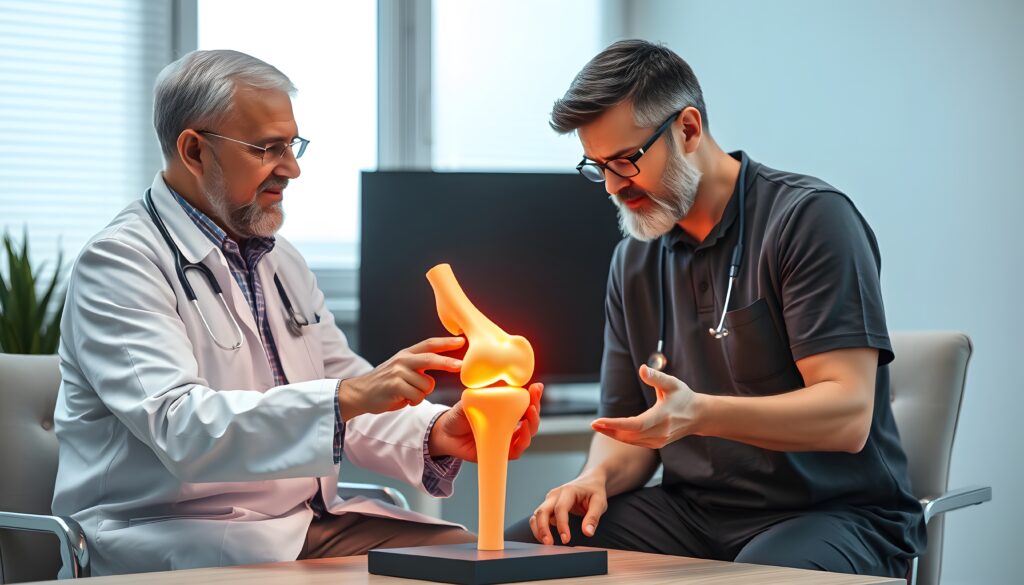
Before surgery, an orthopedic evaluation for surgery is needed. First, the doctor reviews your medical history. Next, they do a physical exam and may order X-rays or MRI scans. Blood tests may also be needed. During this process, doctors check for infections or other health problems. They also talk with you about your goals and concerns. As a result, you and your doctor can decide if joint replacement is the best choice.
Benefits and Risks of Joint Replacement Surgery
Joint replacement surgery offers many benefits. For example, most people feel less pain and move better. Many return to daily activities they once enjoyed. According to the CDC, joint replacement can greatly improve quality of life. However, like any surgery, there are risks. These may include:
Still, most people recover well and are happy with their results. Your doctor will discuss all risks and benefits with you before surgery.
Lifestyle and Recovery Considerations
After surgery, recovery takes time and effort. For instance, you may need physical therapy to regain strength and movement. Most people use a walker or cane at first. Over time, walking and other activities become easier. However, you may need to avoid high-impact sports to protect your new joint. Eating healthy and staying active can help your recovery. With the right care, many people enjoy their new joint for years.
Prevention and When to Consult a Specialist
To prevent joint problems, stay active, maintain a healthy weight, and protect your joints from injury. However, if you have ongoing pain, swelling, or trouble moving, it may be time to see a specialist. Early treatment can help you avoid surgery. But if other treatments fail, joint replacement may be the best option. Always talk with an orthopedic specialist to learn about your choices.
Conclusion
In summary, joint replacement surgery can help many people with severe joint pain. However, not everyone is a good candidate. Doctors look at age, joint damage, health, and past treatments before making a decision. If you think you may qualify, consult Dr. Nadeem syed to determine if joint replacement surgery is right for you.