
Introduction
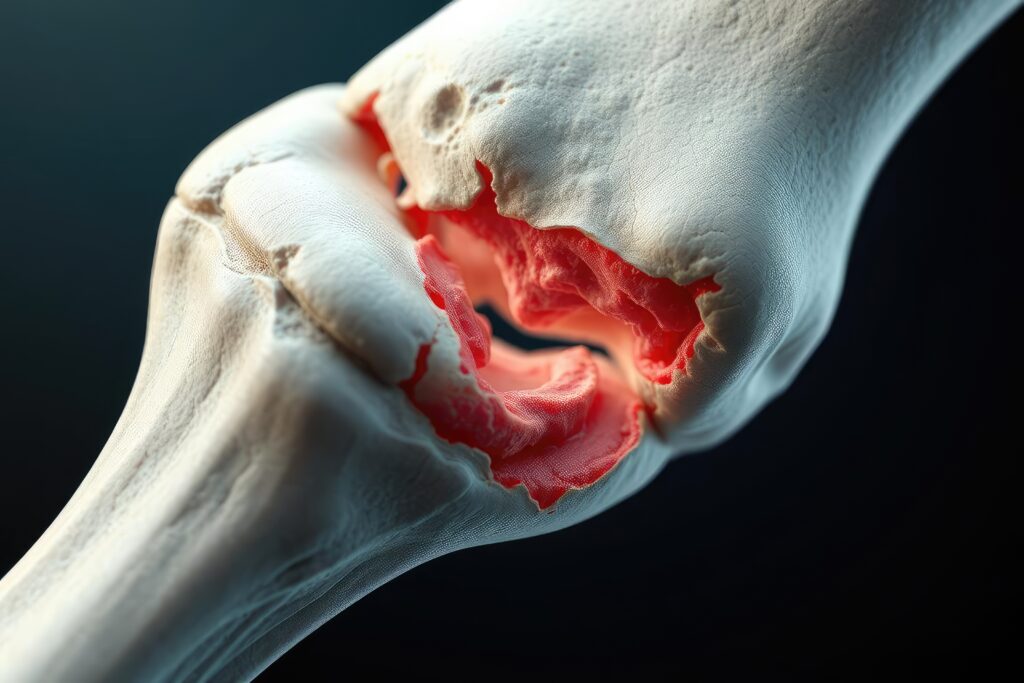
Cartilage damage and bone problems can cause lasting pain and limit movement. Many people rely on painkillers for relief. However, painkillers only mask the pain. They do not fix the root cause. For lasting results, surgical solutions for cartilage damage and bone problems may be needed. These treatments can help restore joint function and improve quality of life.
What Are Cartilage Damage and Bone Problems?
Cartilage is a smooth tissue that covers the ends of bones in a joint. It helps bones move easily against each other. When cartilage gets damaged, joints can become stiff and painful. Bone problems, such as fractures or bone loss, also affect movement and comfort. Together, these issues can make daily tasks hard. According to the World Health Organization (WHO), joint and bone conditions are a leading cause of disability worldwide.
Common Symptoms and Causes
Many people notice symptoms such as:
There are several causes for these problems. For example, injuries from sports or accidents can damage cartilage or bones. Over time, wear and tear from aging can also break down cartilage. In some cases, diseases like arthritis or osteoporosis weaken the bones and joints.
Why Painkillers Are Not Enough
Painkillers can help reduce pain for a short time. However, they do not repair damaged cartilage or bones. Overuse of painkillers may also cause side effects, such as stomach problems or addiction. Therefore, it is important to look for alternatives to painkillers for joint pain. Surgical solutions can address the real problem and help restore function.
Surgical Solutions: Types and Procedures
When painkillers and other treatments do not work, doctors may suggest surgery. There are several orthopedic surgical treatments for cartilage and bone problems. Some common options include:
Each procedure has its own benefits and risks. Your doctor will help choose the best option for your needs.
Benefits and Risks of Surgery
Surgery can offer many benefits. For instance, it can:
However, all surgeries have risks. These may include infection, blood clots, or problems with healing. Sometimes, surgery may not fully restore function. It is important to discuss all risks and benefits with your orthopedic specialist.
Recovery and Lifestyle Guidance
After surgery, recovery is key. Most people need physical therapy to regain strength and movement. In addition, following your doctor’s advice helps speed up healing. Here are some tips for a smooth recovery:
With proper care, many people return to their normal activities after surgery.
Prevention Tips
While not all cartilage and bone problems can be prevented, you can lower your risk. Consider these steps:
Early treatment of injuries and regular check-ups can also help catch problems before they get worse.
Conclusion
In summary, cartilage damage and bone problems can limit your life. Painkillers may help for a while, but they do not fix the cause. Surgical solutions, such as cartilage repair surgery and bone reconstruction options, can offer lasting relief. If you have joint pain that does not improve, consult Dr. Nadeem syed to discuss the best surgical options for your cartilage or bone condition.