
Introduction
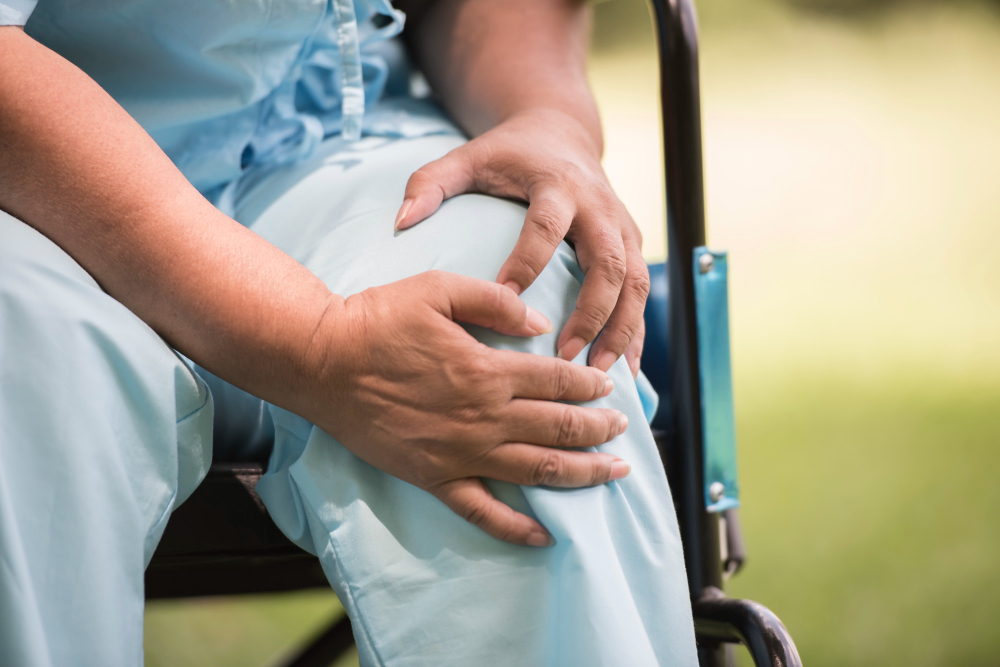
Cartilage injury happens when the smooth tissue in your joints gets damaged. This tissue, called cartilage, helps your bones move easily. When you hurt your cartilage, you may feel pain or stiffness. Because cartilage does not heal quickly, a cartilage injury can cause long-term joint problems. Early care is important for a healthy, active life. According to the World Health Organization, joint injuries are common and can affect people of all ages.
Symptoms of Cartilage Injury
Often, cartilage injury symptoms appear soon after an accident or overuse. However, some signs may develop slowly. Recognizing these symptoms early can help you get the right treatment. Common symptoms include:
Sometimes, you may also notice weakness in the affected area. If you have these symptoms, it is wise to pay attention and seek advice.
Common Causes and Risk Factors
Cartilage injury can happen for many reasons. For example, a sudden fall or sports accident may damage your cartilage. In other cases, wear and tear over time can cause problems. Here are some common causes and risk factors:
Because some risk factors can be managed, making healthy choices may lower your chances of cartilage damage.
Diagnosis Methods
Doctors use several methods to diagnose cartilage injury. First, they ask about your symptoms and medical history. Next, they examine your joint for pain, swelling, or movement problems. In many cases, doctors use imaging tests to see the damage. These tests may include:
Sometimes, doctors use a small camera called an arthroscope to look inside the joint. Early diagnosis helps guide the best treatment plan.
Treatment Options
Treatment for cartilage injury depends on the type and severity of the damage. Many people start with non-surgical options. However, some may need surgery for full recovery. Here are common treatments:
Non-Surgical Treatments
Surgical Treatments
Because each case is different, your doctor will suggest the best option for you. According to orthopedic journals, early treatment can improve results and reduce joint pain.
Prevention Tips and Lifestyle Guidance
Although not all cartilage injuries can be prevented, you can lower your risk. For example, staying active and keeping a healthy weight helps protect your joints. Here are some tips:
With these steps, you can support joint health and lower your risk of cartilage damage.
When to See a Doctor
Sometimes, joint pain or swelling may go away with rest. However, you should see a doctor if:
Early medical care can prevent further damage and help you recover faster. Do not ignore ongoing joint pain or other symptoms.
Conclusion
In summary, cartilage injury can cause pain, swelling, and movement problems. Because early care is important, do not wait if you notice symptoms. Consult an ortho specialist at Ortho planet clinic bangalore for personalized guidance. The right treatment and lifestyle changes can help you stay active and protect your joints for years to come.