
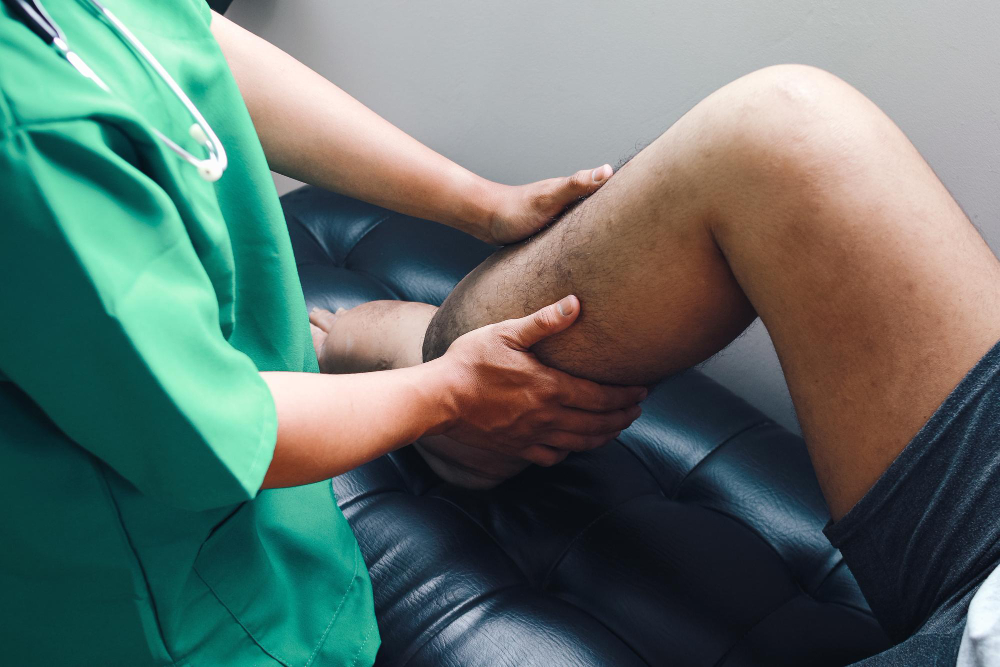
Knee arthroscopy is a minimally invasive knee surgery. Doctors use it to look inside your knee joint and treat problems. Often, people with knee pain, swelling, or injuries may need this procedure. Because it uses small cuts and a camera, recovery is usually faster than with open surgery. In this blog, you will learn what knee arthroscopy is, why it is done, how it works, its benefits, risks, and how to recover well.
What Is Knee Arthroscopy?
Knee arthroscopy is a type of surgery. It allows doctors to see inside your knee using a small camera called an arthroscope. The surgeon makes tiny cuts around the knee. Then, they insert the camera and special tools to fix or remove damaged tissue. Since the cuts are small, this is called a minimally invasive knee surgery. Most people go home the same day.
Common Reasons for Knee Arthroscopy
Doctors may suggest knee arthroscopy for many reasons. For example, it helps diagnose and treat knee pain or injuries. Some common reasons include:
Sometimes, knee arthroscopy is used when other treatments, like medicine or physical therapy, do not help.
How the Procedure Is Performed
First, you will get anesthesia to keep you comfortable. Next, the surgeon cleans your knee and makes small cuts. Through these cuts, they insert the arthroscope and other tools. The camera sends images to a screen, so the doctor can see inside your knee. Then, the surgeon repairs or removes damaged tissue. After the work is done, the tools are removed, and the cuts are closed with stitches or small strips. Most procedures take less than an hour.
Benefits of Knee Arthroscopy
Knee arthroscopy offers many benefits compared to open surgery. For instance:
Because it is less invasive, many people prefer this arthroscopic knee procedure.
Risks and Possible Complications
Although knee arthroscopy is safe, all surgeries have risks. According to the American Academy of Orthopaedic Surgeons, serious problems are rare. However, possible risks include:
Always talk to your doctor about these risks before surgery.
Recovery and Aftercare Tips
After knee arthroscopy, most people recover quickly. Even so, following your doctor’s advice is important. Here are some helpful tips:
Usually, you can walk with help within a day or two. However, full recovery may take several weeks. The exact time depends on your health and the type of knee problem treated. For more details, see resources from the CDC and orthopedic journals.
Prevention and Lifestyle Guidance
To keep your knees healthy after surgery, you can take some simple steps. For example:
By following these tips, you can help prevent future knee injuries and enjoy better joint health.
For personalized advice on knee arthroscopy, consult an orthopedic specialist at Ortho Planet Clinic, Bangalore. They can guide you based on your needs and health history.