
What Is Pelviacetabular Surgery?
Pelviacetabular surgery is a special operation to fix serious injuries to the pelvis or hip socket. The pelvis is the ring of bones at the base of your spine. The acetabulum is the part of your hip where the thigh bone fits. When these bones break, doctors may need to do surgery to help them heal. This surgery is important because it helps people walk again and prevents long-term problems. Many people hear about pelvic fracture treatment or acetabular fracture surgery after accidents or falls. Pelviacetabular surgery is a key part of orthopedic trauma care.
Common Reasons for Pelviacetabular Surgery
Often, pelviacetabular surgery is needed after a serious injury. For example, car accidents or falls from a height can break the pelvis or hip socket. Sometimes, sports injuries or work accidents also cause these fractures. In rare cases, weak bones from diseases like osteoporosis can lead to breaks. Doctors may suggest surgery if:
Because these injuries are serious, quick treatment is important. Early care can help prevent more problems.
Symptoms and Diagnosis of Pelvic and Acetabular Injuries
Pelvic and acetabular injuries can be very painful. You may notice pain in your hip, groin, or lower back. Sometimes, people cannot walk or put weight on their leg. Other signs include:
If you have these symptoms after an accident, seek help right away. Doctors use X-rays or CT scans to see the bones clearly. These tests help them decide if pelviacetabular surgery is needed.
How the Surgery Is Performed
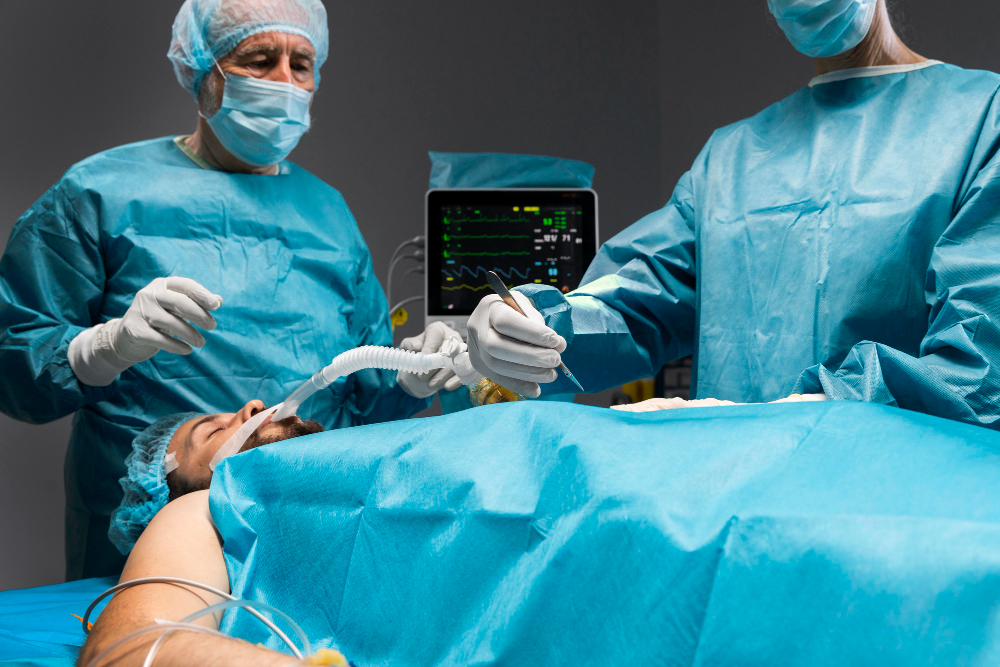
First, doctors give you anesthesia so you do not feel pain. Next, they make small cuts to reach the broken bones. Using special tools, they move the bones back into place. Then, they use screws, plates, or rods to hold the bones steady. Sometimes, doctors use X-rays during surgery to check their work. The whole process can take several hours. After surgery, you will stay in the hospital for a few days. Doctors and nurses will watch you closely to make sure you are healing well.
Recovery and Rehabilitation
Recovery from pelviacetabular surgery takes time. At first, you may need to rest in bed. Soon, physical therapists will help you start moving. They will teach you gentle exercises to keep your muscles strong. Over time, you will learn to walk again, often with crutches or a walker. Most people need several weeks or months to heal fully. During this time, follow your doctor’s advice closely. Eating healthy foods and staying active, as allowed, can help you recover faster.
Risks and Complications
Like any surgery, pelviacetabular surgery has some risks. However, doctors take steps to lower these risks. Possible problems include:
If you notice fever, redness, or swelling, tell your doctor right away. Early treatment can prevent bigger problems. According to the CDC and orthopedic journals, most people recover well with proper care.
Tips for Prevention and Healthy Living
While accidents can happen, you can lower your risk of pelvic and acetabular injuries. Here are some tips:
For older adults, regular check-ups can help spot weak bones early. Taking these steps can help you stay healthy and active.
In summary, pelviacetabular surgery is a vital treatment for serious pelvic and hip socket injuries. If you or a loved one faces this surgery, knowing what to expect can help you feel more prepared. Consult Ortho Planet Clinic for personalized advice on pelviacetabular surgery.