
Shoulder adhesive capsulitis, also called frozen shoulder, can cause pain and stiffness. Many people find daily tasks hard because of this condition. Platelet-Rich Plasma (PRP) therapy is a new treatment that may help. PRP for shoulder adhesive capsulitis uses your own blood to speed up healing. In this blog, you will learn about PRP treatment for frozen shoulder, its benefits, the procedure, and what to expect during recovery.
What is Shoulder Adhesive Capsulitis?
Shoulder adhesive capsulitis, or frozen shoulder, is a condition where the shoulder becomes stiff and painful. Over time, the shoulder may lose its normal range of motion. Usually, this happens when the tissue around the shoulder joint thickens and tightens. As a result, moving the arm can be very hard.
Common symptoms include:
Anyone can get frozen shoulder. However, it is more common in people aged 40 to 60. People with diabetes, thyroid problems, or those who have had shoulder injuries are also at higher risk.
Understanding PRP Therapy
PRP stands for Platelet-Rich Plasma. It is a treatment that uses a part of your own blood to help heal injuries. First, a doctor takes a small amount of your blood. Then, the blood is spun in a machine to separate the platelets. These platelets are rich in growth factors, which help repair tissues.
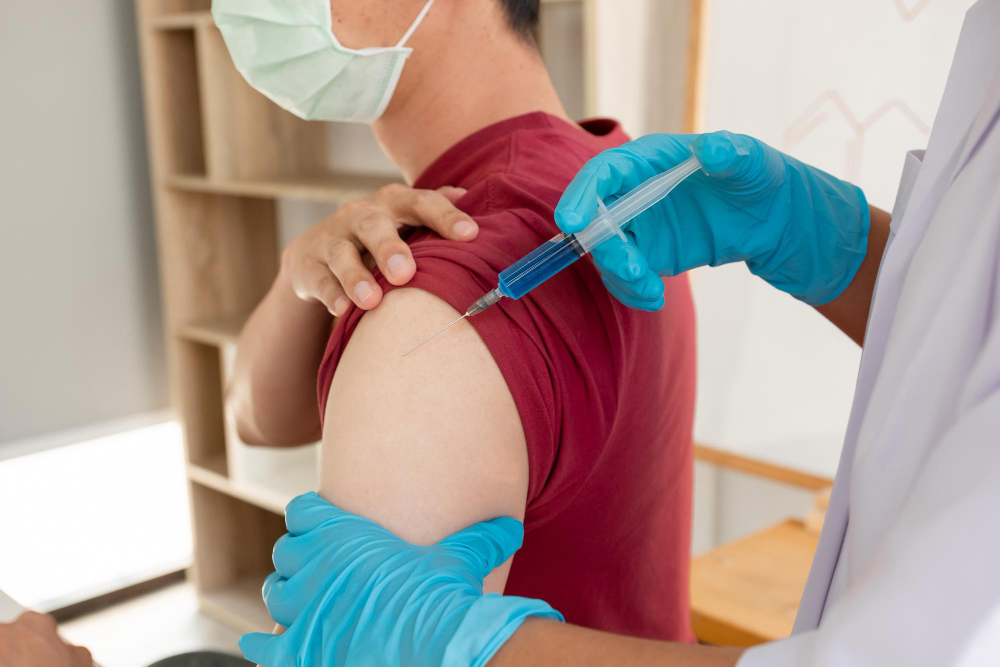
After that, the doctor injects the PRP into the affected area. Because PRP uses your own blood, the risk of side effects is low. PRP therapy is used for many conditions, including joint pain, tendon injuries, and now, frozen shoulder.
How PRP Helps in Shoulder Adhesive Capsulitis
PRP treatment for frozen shoulder can offer several benefits. The growth factors in PRP help reduce inflammation and promote healing. As a result, pain and stiffness may decrease over time. Studies suggest that PRP injections can improve shoulder movement and speed up recovery (source: PubMed).
Here are some key benefits of platelet-rich plasma for adhesive capsulitis:
Because PRP targets the root cause of frozen shoulder, it can be a good option for people who do not get relief from other treatments.
The PRP Procedure for Frozen Shoulder
Getting a shoulder PRP injection is a simple process. Here is what you can expect:
The whole process usually takes less than an hour. Most people feel only mild discomfort during the injection.
Recovery and Expected Outcomes
After PRP therapy, you may notice mild swelling or soreness at the injection site. This is normal and should go away in a few days. Most people can return to normal activities within a day or two. However, heavy lifting should be avoided for a short time.
Here is what you can expect during recovery:
Side effects are rare but can include mild pain, swelling, or infection. Always follow your doctor’s advice for the best results.
Frequently Asked Questions
Prevention and Lifestyle Tips
While PRP can help, it is also important to take steps to prevent frozen shoulder. Here are some tips:
By following these tips, you can lower your risk of developing shoulder adhesive capsulitis.
When to Consult a Specialist
If you have shoulder pain that does not improve, it is time to see a specialist. Early treatment can prevent the condition from getting worse. You should also consult a doctor if you have trouble moving your arm or if pain keeps you awake at night. Orthopedic specialists can help you decide if PRP therapy is right for your frozen shoulder.
Conclusion
Shoulder adhesive capsulitis can make daily life hard. PRP therapy offers a new way to reduce pain and improve movement. Because it uses your own blood, it is safe and natural. If you have frozen shoulder, talk to an orthopedic specialist at Ortho Planet Clinic, Bangalore about PRP treatment options. Consult an orthopedic specialist to learn if PRP therapy is right for your frozen shoulder.