
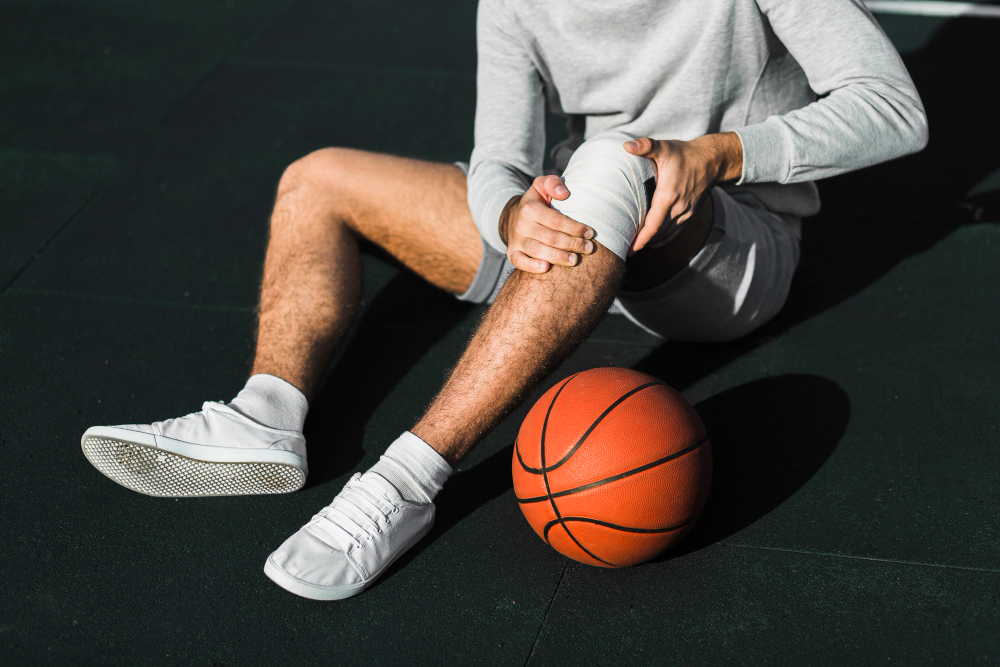
What Are Sports Injuries?
Sports injuries are injuries that happen during exercise or while playing sports. These injuries can affect muscles, bones, joints, or ligaments. Because sports injuries are common, they can impact people of all ages. For example, children, teens, and adults can all get hurt while being active. Often, these injuries can cause pain, swelling, or trouble moving the affected area. However, with the right care, most people recover well.
Common Symptoms of Sports Injuries
Recognizing sports injury symptoms early can help you get the right treatment. In many cases, symptoms appear soon after the injury. But sometimes, they may develop slowly. Here are some common signs:
Sometimes, you may also hear a popping sound at the time of injury. If you notice any of these symptoms, it is important to rest and monitor your condition.
Causes and Risk Factors of Sports Injuries
Sports injuries can happen for many reasons. Often, they occur when you use a body part too much or move it the wrong way. But other factors can also play a role. Here are some common causes and risks:
Additionally, children and teens are at higher risk because their bodies are still growing. Older adults may also be more likely to get hurt due to weaker bones or joints.
How Orthopedic Surgeons Diagnose Sports Injuries
When you visit a doctor for a sports injury, they will first ask about your symptoms and how the injury happened. Next, they will examine the injured area. In many cases, orthopedic surgeons use special tests to find out what is wrong. These may include:
Sometimes, doctors may also use blood tests or joint fluid tests to rule out other problems. Early diagnosis helps guide the best treatment plan.
Treatment Options for Sports Injuries
Treatment for sports injuries depends on the type and severity of the injury. However, most injuries can be managed with simple steps. Here are common treatment options:
Medical and Home Care
Surgical Treatment
Sometimes, surgery is needed for severe injuries, such as torn ligaments or broken bones. Orthopedic surgeons can repair or replace damaged tissues. After surgery, you may need physical therapy to regain strength.
Rehabilitation
With proper care, most people recover fully and return to their favorite activities.
Lifestyle and Prevention Tips for Avoiding Sports Injuries
Preventing sports injuries is possible with a few simple steps. Because prevention is better than cure, try these tips:
Additionally, regular stretching and strength training can help protect your muscles and joints.
When to Seek Medical Attention
Some sports injuries need quick medical care. You should see a doctor if:
In these cases, visiting an orthopedic specialist or a sports injury clinic is important. Early treatment can prevent long-term problems.
Conclusion
Sports injuries are common but can be managed with the right care. Because early treatment helps you heal faster, do not ignore symptoms. If you have concerns, consult an orthopedic specialist at Ortho Planet Clinic, Bangalore for personalized advice on sports injuries.